
Bushfire Crisis Information
What support is available for people with disabilities and seniors in a bushfire crisis? For people who have been affected by the fires, emergency aid, from emergency accommodation, evacuation centres, and support services to financial assistance, is available.
Skip to: Stay Informed | Bushfire Survival Plan | Financial Assistance | Emergency Accommodation | Aids, equipment & AT | Communication resources | Managing chronic conditions | More info
Stay Informed
In an emergency, call Triple Zero (000) or Teletype 106. Please refer to your local fire authority for the most up-to-date and reliable information, listen to your local ABC radio, or stream radio with the ABC Listen App, ABC News on live TV or ABC iview.
New South Wales (NSW)
New South Wales Rural Fire Service (NSW RFS)
You can contact the RFS Bushfire Information Line on 1800 NSW RFS (1800 679 737) or go to www.rfs.nsw.gov.au.
You can also use the Fires Near Me app on your smartphone or tablet device or check the NSW RFS Facebook page or X (Twitter) account @NSWRFS.
Australian Capital Territory (ACT) - Canberra
ACT Emergency Service Agency (ESA)
Phone (02) 6207 8444Go to www.esa.act.gov.auX (Twitter) @ACT_ESAFacebook @ACTEmergencyServicesAgencyVictoria (VIC)
Refer to the Country Fire Authority (CFA) and VicEmergency for information about fires in your area, or call the VicEmergency Hotline.
VicEmergency Hotline 1800 226 226Go to www.emergency.vic.gov.au CFA Headquarters 03 9262 8444Go to www.cfa.vic.gov.au X (Twitter) @CFA_UpdatesFacebook @cfavicSouth Australia (SA)
Refer to the South Australian Country Fire Service (CFS).
Bushfire Information Hotline 1800 362 361TTY 133 677CFS Headquarters 8115 3300Go to www.cfs.sa.gov.auFacebook @countryfireserviceX (Twitter) @cfsalertsQueensland (QLD)
Queensland Rural Fire Service (QRFS)
Call your local Rural Fire Service Area Office directly. Numbers are available at www.ruralfire.qld.gov.au
Queensland Fire and Emergency Service (QFES)
Web: www.qfes.qld.gov.auPhone: 13 QGOV (13 7468)Facebook: QldFireandEmergencyServicesX (Twitter): @QldFESTasmania (TAS)
Contact the Tasmania Fire Service.
Web: www.fire.tas.gov.auFacebook: TasmaniaFireServiceX (Twitter): @TasFireServiceNorthern Territory (NT)
Bushfires NT
Phone: 08 8922 0844Web: www.nt.gov.au/bushfiresFacebook: BushfiresNTWestern Australia (WA)
Emergency WA
Department of Fire and Emergency Services (DFES) WA
Phone: 13 DFES (13 3337)Web: www.dfes.wa.gov.au/bushfireFacebook: dfeswaX (Twitter): @dfes_waDisaster Response Hotline - Welfare Support
Phone: 1800 032 965 (for urgent emergency relief, recovery assistance, and wellbeing support following a natural disaster in WA).We have collated some useful and critical information on how to stay up to date in a bushfire crisis, especially those whose homes and communities have been directly impacted or are in the line of fire.
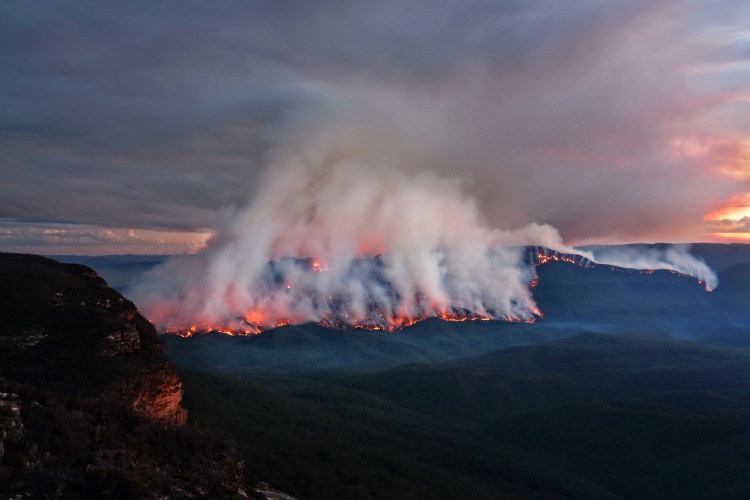
Bushfire Survival Plan
Easy English resources for people with disability, including intellectual disability, can be downloaded from the CFA, Red Cross, and I'm Okay site.
How Fireproof is Your Plan? Read our Blog on Fire Safety if you don’t have one!
Financial Assistance
There is assistance available if you can show you lost income or have been adversely affected as a direct result of the bushfires.
Payments for natural disaster
The Crisis payment is a once-per-incident or extreme circumstance. It equals a week's pay at the maximum basic rate of your income support payment.
The Crisis Payment is a short-term payment to help you if a declared disaster directly affects your income.
Phone 180 22 66Go to https://www.servicesaustralia.gov.au/how-much-crisis-payment-for-other-extreme-circumstances-you-can-get?context=52754Disaster Welfare Assistance Line
For information about disaster relief grants for contents and structural repairs, available to low-income earners with no insurance in NSW.
Phone 1800 018 444Be prepared! Have a "go bag" ready. Read our Packing for an Emergency blog.
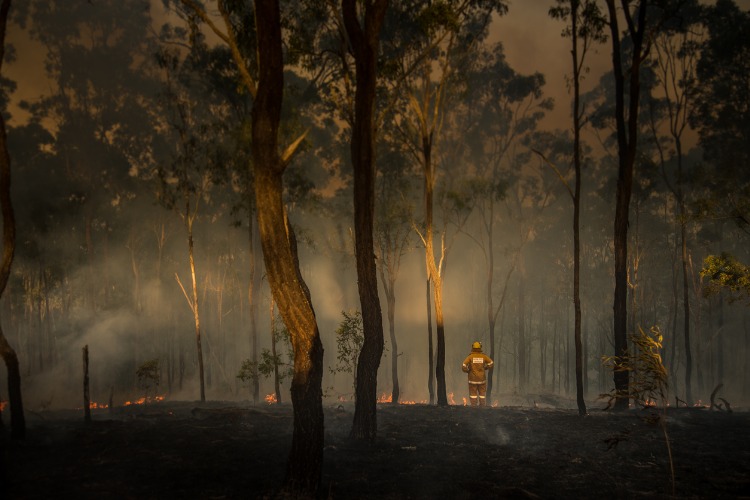
Emergency Accommodation
Accessible Group
Accessible Accommodation has repurposed their already extensive network of accessible accommodation providers to enable people with access needs to find a free temporary emergency accommodation solution. You can access this resource by connecting to the Facebook group.
Facebook group : Accessible GroupGo to www.accessibleaccommodation.com.auBushfire Housing Assistance Service
The NSW Government has established the Bushfire Housing Assistance Service to support people who are temporarily or permanently displaced as a result of the NSW bushfires.
The Disaster Welfare Assistance Line is open every day from 8:30 a.m. to 4:30 p.m. Free call 1800 018 444.
A current list of open evacuation centres can be found on the Department of Justice Office of Emergency Management’s website.
You can also follow on Facebook for more information NSW Disaster Recovery Facebook page
NSW Bushfire clean-up
The NSW Government is coordinating the clean-up of NSW residences and eligible businesses impacted by the NSW bushfires. This includes both insured and uninsured properties. This program focuses on safety hazards and issues that could impede people from rebuilding their homes.
To register or find out more, go to https://dcj.nsw.gov.au/news-and-media/news/2020/bushfire-recovery-support-now-in-one-place.html
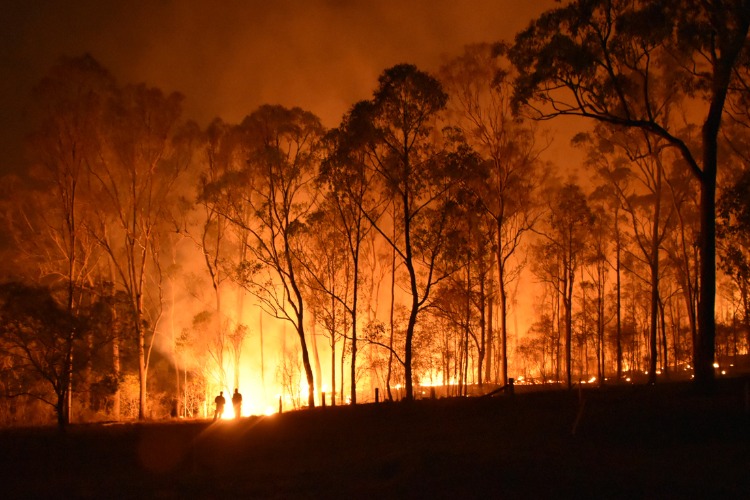
Even if you are not directly impacted by fire, the smoke and heat can have adverse health effects wherever you are. Read more on how to stay well on our Beat the Heat blog.
Communication resources
We’ve pulled together a range of communication resources that may help people understand what has been happening with the bushfires.
Open Source
Created by Professor Bronwyn Hemsley, Annuska Zolyomi and Harmony Turnbull.
This is an open-source, free-to-use folder where people can use templates to create their own social stories. The folder includes examples, photos and a database of topics for modular arrangement. It’s been set up in response to the January 2020 bushfires.
Download Open Source Google SpreadsheetWhich stories would you like to request, for people with #Autism or communication difficulties? problems understanding info? Pics are some new examples, here is the spreadsheet link to add the request https://t.co/5WMIZ3fUov @AnnuskaP thanks so much!! #AustraliaBurns #firecrisis https://t.co/m53D7nQCZ9 pic.twitter.com/fqBjQsb6iN
— Prof Bronwyn Hemsley (@BronwynHemsley) January 8, 2020
Social Story for Children
Early Connections Alliance has developed a Bush Fire Social Story to share with your children. Social Stories are a social learning tool that supports the safe and meaningful exchange of information between parents, professionals, and people with autism of all ages. You can adapt the social story to your family by downloading the Word document.
Go to www.earlyconnections.org.au/social-story-bush-fireEasy Read Bushfire Info
The NSW Council for Intellectual Disability (CID) have developed an Easy Read Bush Fire Info Guide to help people with an intellectual disability or learning difficulties to understand what is going on and what to do before, during and after a bushfire emergency.
Download Bush Fire Info Guide - Dec 2019Managing Distress
Red Cross have developed accessible guides for managing distress. This guide has information for communities, parents and caregivers after a distressing event. Audio, Easy English and Large Print versions of advice on managing distress. Also available in 7 culturally diverse languages.
Go to www.redcross.org.au/get-help/emergencies/looking-after-yourselfInclusive Disaster Risk Reduction
There is a broader range of materials available in the Resource Library created by the Disability Inclusive Disaster Risk Reduction project. It has information for planning, communication, individuals, community organisations and emergency services.
Go to collaborating4inclusion.org/pcep-old/didrr/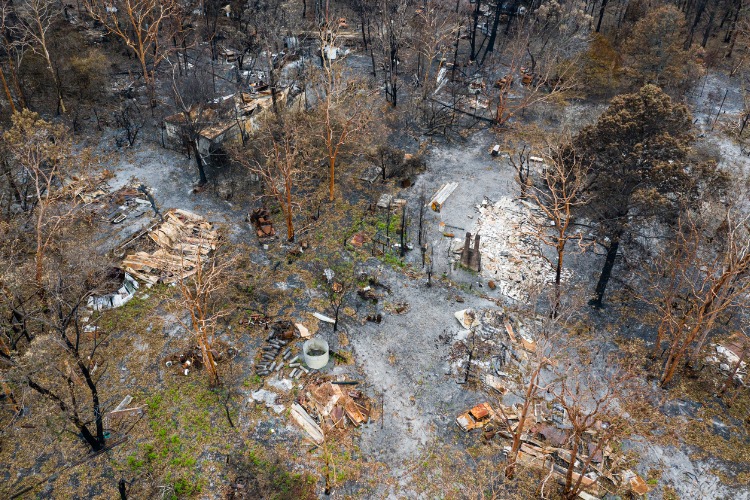
Managing Chronic Conditions
Arthritis and other Chronic Conditions
Creaky Joints has developed a resource to help people with chronic conditions, including arthritis, MS and other chronic conditions, manage their symptoms during a natural disaster.
Go to creakyjoints.org.au/news-and-features/managing-arthritis-and-other-chronic-conditions-during-natural-disastersAsthma and other Breathing Difficulties
The National Asthma Council have developed a fact sheet on Bushfires and Asthma, which outlines ways to minimise and treat asthma symptoms that can arise in smokey conditions brought about by bushfires.
Mental Health
The Australian Government Department of Health has implemented the Supporting the Mental Health of Australians Affected by National Natural Disasters. It aims to ensure people have access to coordinated and tailored support to recover from the effects of natural disasters. T
Go to https://www.health.gov.au/topics/emergency-health-management/what-were-doing/bushfires-and-floodsHeadspace
Dealing with stress from bushfires can be really tough; it’s important to take time to check in and do things to look after yourself. Headspace has developed resources on how to cope with the stress of natural disasters for young people
Resource headspace.org.au/young-people/how-to-cope-with-the-stress-of-natural-disasters
Helping Children Impacted by Bushfires
Rosalind Verness, Counsellor and Psychotherapist, has developed a guide for helping children impacted by fires. This guide provides practical and simple advice for parents and carers who are helping their children deal with distress, sadness or fear following the bushfire crisis.
Go to rosalindveness.com.au/helping-children-impacted-by-bushfiresMore information
Our free online database is available 24 hours a day, seven days a week, with over 30,000 fact-checked entries. Search it now, or any time.


